Verified results.
Named clients. Documented savings.
Every WST case study contains verified consumption data, documented financial outcomes, and where applicable, GRESB-reported evidence. No estimates. No projections. Independently verifiable outcomes.

A leading commercial real estate owner engaged WST to deploy sub-metering across 12 assets for its first GRESB submission. Ara AI closed WT1 data coverage gaps across all buildings. Concurrent billing audit identified rate misclassifications at four properties. Combined annual savings: $110K.
The Empire State Building engaged WST to retrofit all restroom fixtures across 102 floors. High-efficiency aerators and sensor-activated faucets were installed building-wide. Demand balancing on cooling systems yielded an additional 12% reduction in utility costs.

Whole Foods Market engaged WST to audit produce misting systems and sanitation stations across its Austin flagship store. Misting frequency optimization and low-flow sanitation nozzle replacement yielded a combined 22% reduction in water consumption.
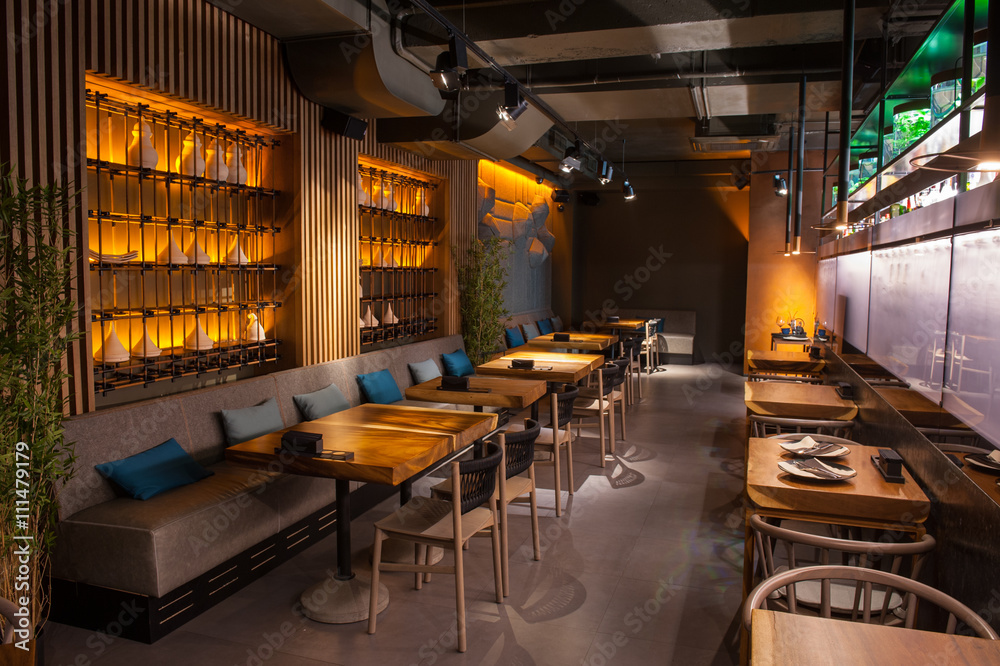
Starbucks engaged WST to standardise high-efficiency water filtration across 500 company-operated locations. Filtration replacement cycles were optimised using Ara AI usage data, reducing filter waste by 40% while improving beverage water quality scores.

Mister Car Wash engaged WST to design and install a closed-loop rinse water recycling system. The system reclaims 70% of rinse water per wash cycle through a multi-stage filtration and recirculation process.

A hyperscale data center engaged WST to optimize adiabatic cooling systems and audit water-use efficiency across three halls. Cooling tower blowdown recovery and adiabatic pad scheduling reduced water consumption by 34% while maintaining thermal SLA compliance.

Westin Fort Lauderdale engaged WST to audit guestroom plumbing and deploy IoT leak detection across 500 rooms. Silent toilet leaks identified in 42 rooms were repaired within 72 hours. Combined monthly savings of 184,000 gallons achieved within the first quarter.

The Concours Club engaged WST to implement smart irrigation zoning and evapotranspiration-based scheduling across its 18-hole championship course. Zone-by-zone soil moisture sensors eliminated overwatering in 14 zones, reducing total irrigation draw by 36%.

Miami Yacht Club engaged WST to sub-meter all 48 dockside water pedestals and deploy real-time leak detection. Live flow alerts identified two major hose connection leaks within the first week. Individual slip billing accuracy improved by 94%.
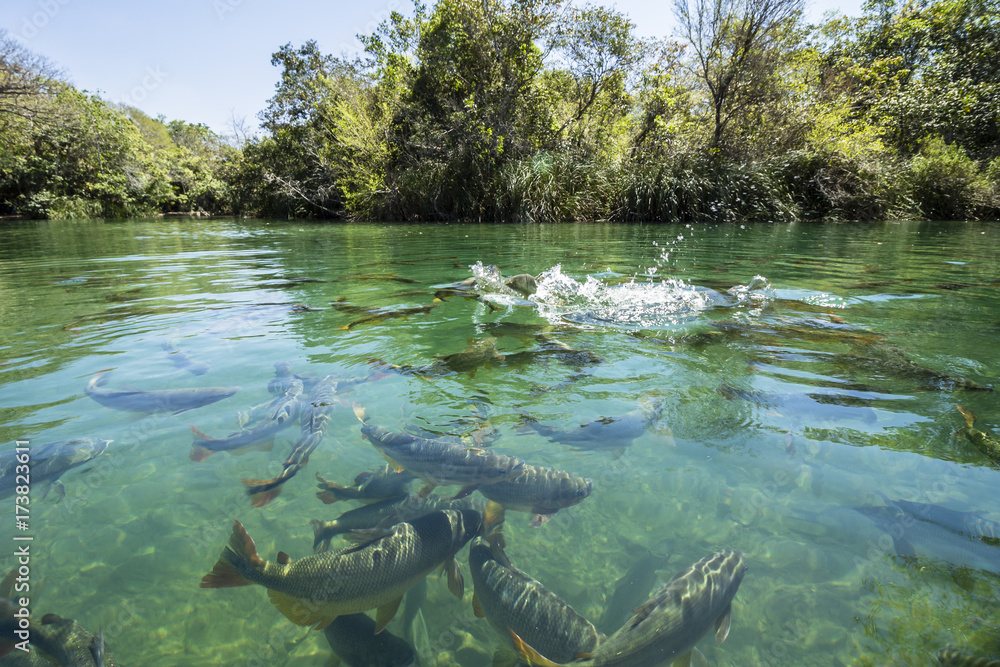
Disney's Typhoon Lagoon engaged WST to optimise splash zone recirculation systems and reduce evaporation losses. A combination of chemical dosing optimisation and cover scheduling reduced evaporation loss by 22% during off-peak hours.
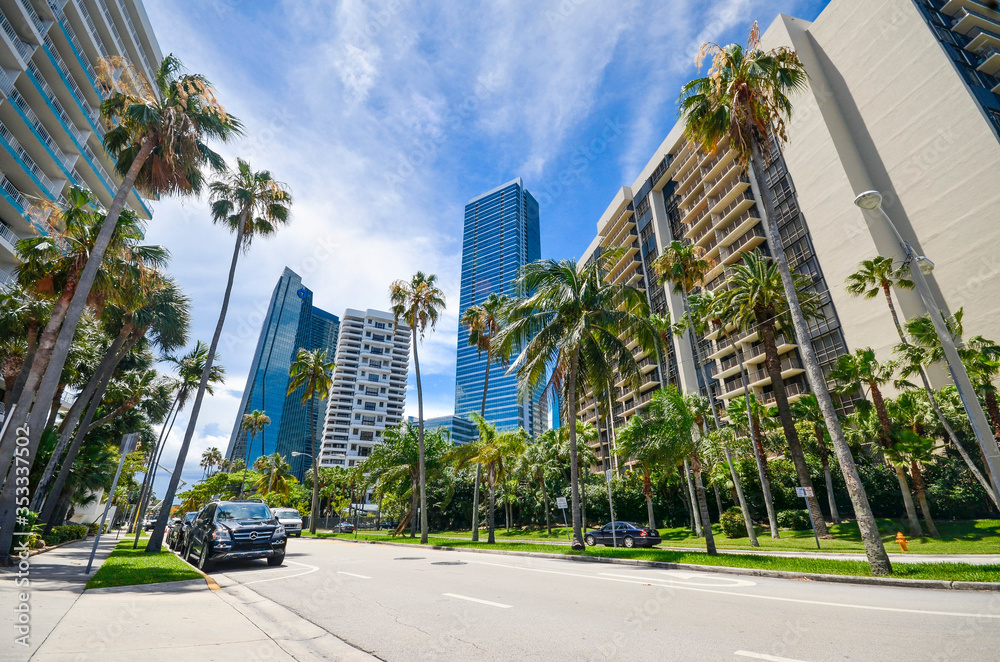
Turnberry Ocean Club engaged WST to deploy individual unit sub-metering across all 154 luxury residences. Real-time consumption data enabled accurate utility bill allocation, eliminating billing disputes entirely. Three silent leaks identified within 30 days.
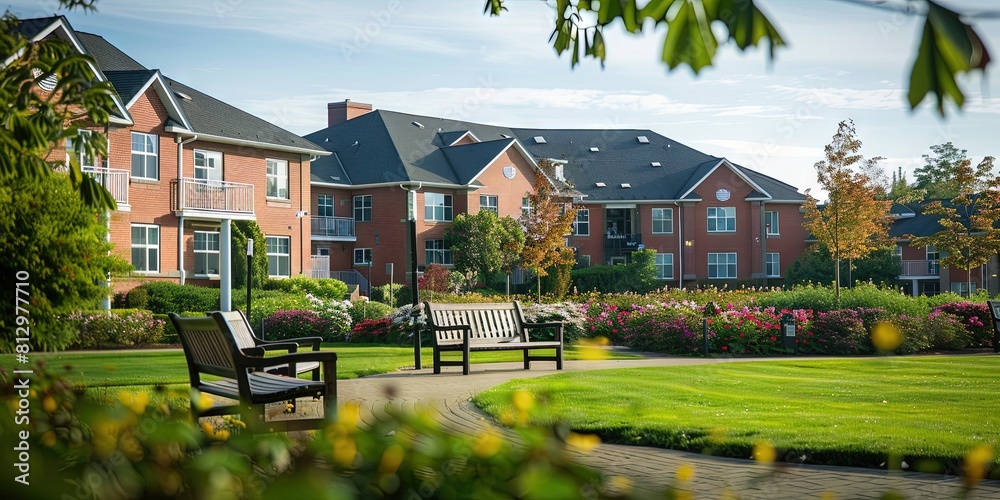
Sunrise Senior Living McLean engaged WST to retrofit thermostatic mixing valves across all resident bathrooms. TMV installation eliminated scalding risk in 112 resident rooms and ensured full compliance with care facility water safety regulations.
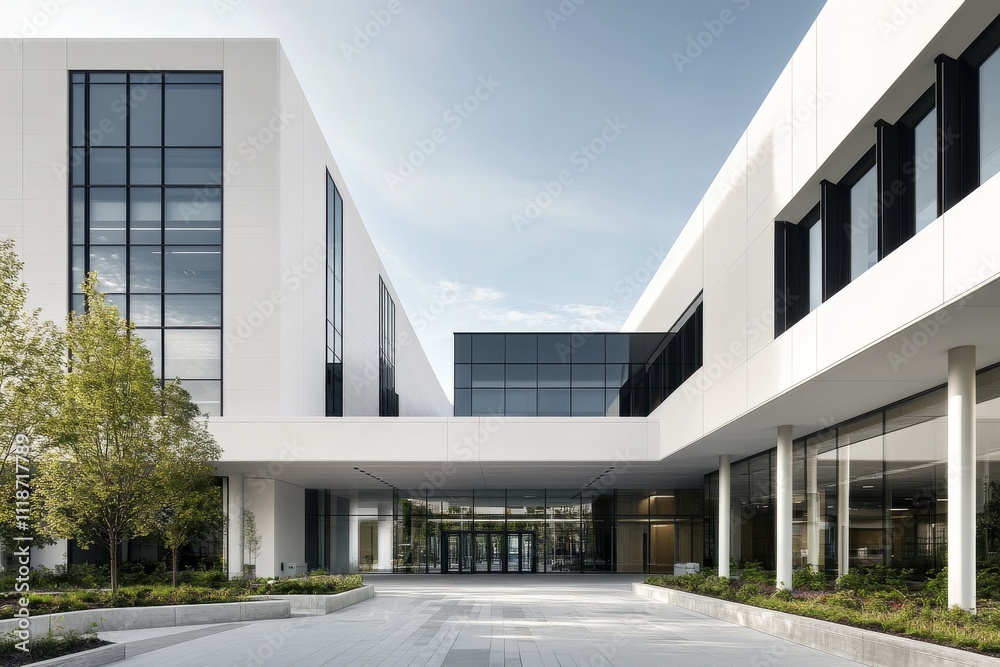
A 450-bed regional medical centre engaged WST to audit non-clinical water systems across its 3-building campus. Cooling tower optimisation across four towers yielded 24% make-up water reduction. Sewer exemption applications filed for all four towers recovered $28,000 in annual overcharges. All documentation structured within the facility's existing CMS water management programme framework.

Miami-Dade County Public Schools engaged WST to deploy restroom sensor retrofits across 45 campuses as part of a district-wide sustainability initiative. Sensor-activated faucets and auto-flush valves reduced restroom water consumption by 38% district-wide within one academic year.
Harvard University engaged WST to replace 4,200 showerheads across all undergraduate dormitories with WaterSense-certified low-flow models. Post-installation benchmarking confirmed a 27% reduction in dormitory water consumption. Savings documented for Harvard's STARS sustainability reporting.

General Motors' Detroit assembly plant engaged WST to audit process water systems and implement cooling tower blowdown recovery. A closed-loop recovery system now reclaims 40% of discharge water for reuse in non-critical process applications.
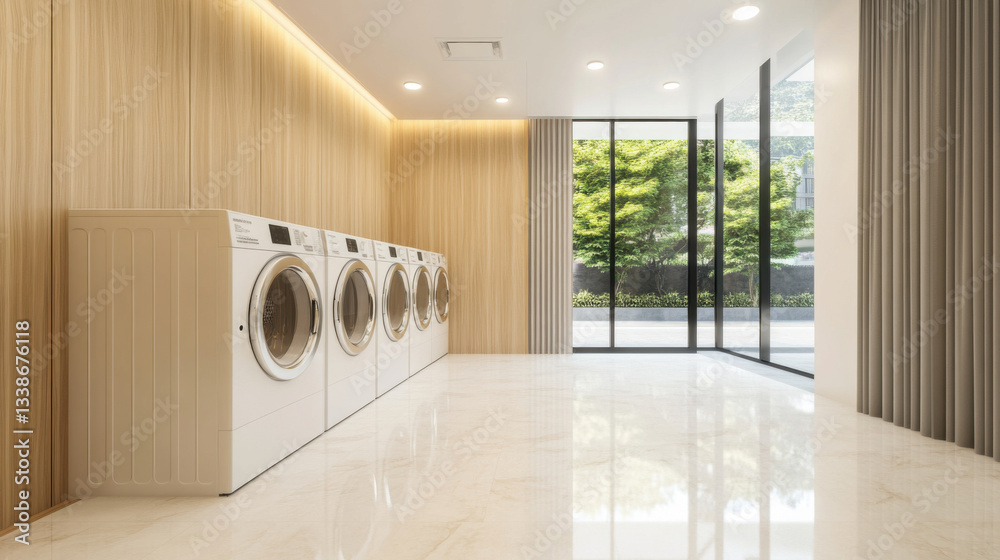
Cintas engaged WST to retrofit tunnel washer systems with water reuse and heat recovery capabilities. Counter-flow rinse optimisation and heat exchanger installation now recover 60% of tunnel wash water and 80% of thermal energy per cycle.
CBRE Global Investors engaged WST to establish water data coverage across a managed commercial portfolio. Ara AI automated bill acquisition to close coverage gaps. Billing audit revealed sewer overcharges at three properties, recovering $88K annually.
Salesforce Tower engaged WST to design and commission a greywater reuse system serving landscaping and cooling tower make-up water. The system processes 18,000 gallons per day, reducing potable water demand by 28%.
Costco Wholesale engaged WST to upgrade food court water filtration systems and audit HVAC condensate recovery across five warehouse locations. Condensate recovery alone contributed 9,000 gallons per month in reclaimed water.
Chipotle engaged WST to audit kitchen prep and dishwashing water consumption across 80 high-volume locations. Pre-rinse spray valve replacements and dishwasher cycle optimization reduced kitchen water use by 28% per unit.
Zips Car Wash engaged WST to audit and tune high-pressure pump systems across 15 express wash locations. Pump pressure calibration eliminated over-spray waste and reduced energy consumption by 20% per location.
Miami International Airport engaged WST to overhaul restroom fixtures and audit irrigation across four concourses. Sensor-activated faucets reduced restroom consumption by 40%. Smart irrigation scheduling cut landside water use by 28%.
Even Hotels Nashville engaged WST to retrofit all guestroom and public area fixtures to low-flow standards. Integration with the existing linen reuse program reduced laundry water use by an additional 18%.
Ocean One Golf Course engaged WST to design a reclaimed water filtration and distribution system enabling full irrigation coverage from reclaimed sources, eliminating all potable water use for irrigation.
Soho House Miami Beach engaged WST to upgrade pool and spa filtration systems and optimise automated backwash cycles. Variable-rate filtration reduced backwash water consumption by 40% while maintaining water quality across three pools and two spas.
Universal's Volcano Bay engaged WST to design a flume water reclamation and treatment system. Multi-stage filtration and UV treatment enabled 65% of flume water to be reclaimed per cycle, reducing daily make-up water draw by over 80,000 gallons.
Porsche Design Tower engaged WST to deploy leak detection across pools, spas, and water features. IoT sensors identified three active leaks within the first two weeks, including a subsurface pipe fault beneath the pool deck undetected for over six months.
Brookdale Nashville engaged WST to upgrade fixtures to ADA-compliant specifications and conduct a full water safety compliance audit. The facility passed state inspection with zero deficiencies.
A healthcare REIT managing 8 medical office buildings engaged WST to establish water data coverage for its first GRESB submission. Ara AI closed WT1 data coverage gaps across all 8 buildings. Concurrent billing audit identified rate misclassifications at three properties and cooling tower sewer overcharges at two. Combined annual savings: $95K.
Phillips Academy engaged WST to deploy sub-metering and IoT leak detection across 28 campus buildings. Three active leaks were identified within the first month. Real-time metering provided granular consumption data for annual sustainability reporting.
Texas A&M University engaged WST to optimise irrigation across 18 athletic fields using ET-based scheduling and soil moisture monitoring. Irrigation runtime reductions of 32% were achieved while maintaining all NCAA field quality standards.
Tesla's Nevada Gigafactory engaged WST to design a process water recycling system for battery cell manufacturing lines. Multi-stage filtration and ion exchange enable 55% of process water to be reclaimed and returned to production lines.
Aramark Uniform Services engaged WST to automate flow control and optimise wash formulas across four processing facilities. Automated flow controls prevent overfill and enable precise water dosing per load type, reducing per-cycle water use by 29%.
JLL engaged WST to deploy centralized IoT leak detection across a 9-building mixed-use portfolio. Real-time monitoring identified three active leaks within the first month. Combined operational savings of 23% across the portfolio within the first year.
The Shard engaged WST to optimize cooling system demand balancing across its mixed-use floors comprising office, residential, and hospitality zones. Chilled water loop optimization reduced cooling water consumption by 18%.
Walmart engaged WST to lead a national sanitation station sub-metering and restroom sensor rollout across 200+ Supercenter locations. Average restroom water reduction of 35% per location achieved within six months.
McDonald's engaged WST to lead a restroom sensor implementation program across 1,200 franchise locations. Average restroom water reduction of 35% per location achieved within six months.
Shell engaged WST to conduct a full restroom and landscaping water audit across a high-traffic Houston forecourt. Smart irrigation scheduling reduced landscaping water use by 45%, and restroom sensor upgrades cut fixture consumption by 30%.
A major cruise operator engaged WST to design an onboard grey water reclamation and purification system for a 3,500-passenger vessel. The system reclaims 55% of onboard grey water for reuse in non-potable applications.
Kimpton Chicago engaged WST to optimize cooling tower operations and file sewer exemption applications for two rooftop towers. Blowdown cycle adjustment reduced make-up water by 22%. Sewer exemption approval recovered $28,000 in annual overcharges.
Pebble Beach Golf Links engaged WST to audit and optimise four pump stations serving irrigation across the championship links. Variable frequency drive retrofits reduced pump energy by 28% while maintaining all agronomic performance benchmarks.
Monaco Yacht Club engaged WST to integrate a compact desalination unit with the existing potable water distribution system. The unit provides 60% of daily potable water demand from sea water, reducing municipal dependency during peak season.
Schlitterbahn New Braunfels engaged WST to upgrade locker room and shower facilities park-wide. Low-flow showerheads with automatic shut-off timers reduced shower water consumption by 35%.
The Estates engaged WST to balance water distribution across common areas and deploy smart irrigation for landscaped grounds. ET-based irrigation scheduling reduced landscaping water use by 32%.
Holiday Retirement engaged WST to address inconsistent water pressure across three Oregon communities. Pressure reducing valve adjustments and zone isolation resolved resident complaints in all three properties.
A long-term care operator managing 6 facilities across two states engaged WST to strengthen its CMS water management programme documentation while reducing utility costs. IoT monitoring deployed across non-clinical systems at all 6 facilities. Combined operational savings: 19% across the portfolio.
BASIS Charter Schools engaged WST to benchmark water consumption and conduct fixture audits across 12 Arizona campuses. Benchmarking revealed three campuses with consumption 40% above network average; replacements reduced consumption to within 10% of benchmark.
Stanford Stadium engaged WST to deploy real-time bulk-use monitoring during game-day events and audit concession water consumption. Concession audits identified high-waste pre-rinse stations contributing 30% of event-day water use.
Coca-Cola's Atlanta bottling facility engaged WST to optimise clean-in-place (CIP) water consumption and sterilization rinse cycles. Rinse cycle sequencing and conductivity-based endpoint detection reduced CIP water consumption by 33% without interrupting production throughput.
UniFirst engaged WST to install wastewater heat recovery and upgrade effluent pre-treatment at its Wilmington facility. Heat exchangers on the effluent line recover 75% of thermal energy before discharge. Pre-treatment upgrades brought the facility into full municipal discharge compliance.
All case studies require free registration to access full reports. Client identities are published with permission or are described as "Confidential" where client privacy has been requested. All outcomes are verified against utility bill records, meter readings, or GRESB submission evidence.
Verification Standard
Every outcome is verified. No projections. No estimates.
WST only reports consumption reductions verified against utility bills, meter readings, or GRESB submission evidence. If it isn't independently verifiable, it doesn't appear in a WST case study.
to the evidence base?
A 90-minute portfolio visibility session maps your water data coverage and outlines the savings opportunity. No obligation.