Water Management for
Office Buildings & Class A Portfolios.
Multi-tenant office buildings carry billing complexity that most facilities teams never audit — cooling tower systems serving the whole building, tenant sub-metering mismatches, and HVAC make-up water that never appears in the sewer. WST identifies and recovers the overcharges while building the monitoring infrastructure for GRESB documentation.
The Office Challenge
Three water problems that Class A office
buildings carry silently.
Office buildings are not high-drama water users. The problems are structural and billing-related rather than operational — which is exactly why they persist for years without being addressed.
Centralised chilled water plants serving multi-tenant office buildings discharge cooling tower bleed water but the make-up volume feeding the towers is rarely sub-metered. Without a dedicated make-up meter, the property pays sewer charges on all water consumed — including the significant volume that evaporates through the cooling towers and never enters the sewer. In a 300,000 sq ft Class A building running chillers year-round, this can represent $20,000–$45,000 in annual sewer overcharges.
Multi-tenant buildings with individual tenant sub-meters frequently develop discrepancies between the master utility meter and the sum of sub-meter readings — a gap that represents water consumed in common areas, mechanical rooms, and restrooms that isn't being allocated to any billing account. Over time, this gap compounds into unrecovered operating cost for the landlord. On a 20-tenant building, the common area water cost gap is often 8–15% of the total annual water bill.
Office REITs participating in GRESB frequently struggle with WT1 data coverage because utility bill collection across multi-tenant buildings with utility-paid leases is fragmented. Tenants who pay their own utility bills don't share data with the landlord. Without Ara AI's automated collection, the landlord cannot submit verified whole-building consumption data for WT1 — scoring lower than the building's actual water management performance warrants.
WST Approach
How WST addresses
the office building water profile.
Typical Outcomes
Outcomes from WST office portfolio engagements.
| Metric | Outcome |
|---|---|
| Water cost reduction | 15–25% |
| Cooling tower savings (per asset) | $15–40K/yr |
| Sewer exemption recovery | $20–45K/yr |
| Sub-meter gap recovery | 8–15% of annual bill |
| GRESB WT1 coverage improvement | Portfolio-wide closure |
| Payback period | 6–10 months |
Shared-savings model: No upfront fees. WST's compensation tied to documented savings delivered.
Verified Results
Case studies from
Office Buildings
Register free to access the full reports. Every outcome is verified — no projections.
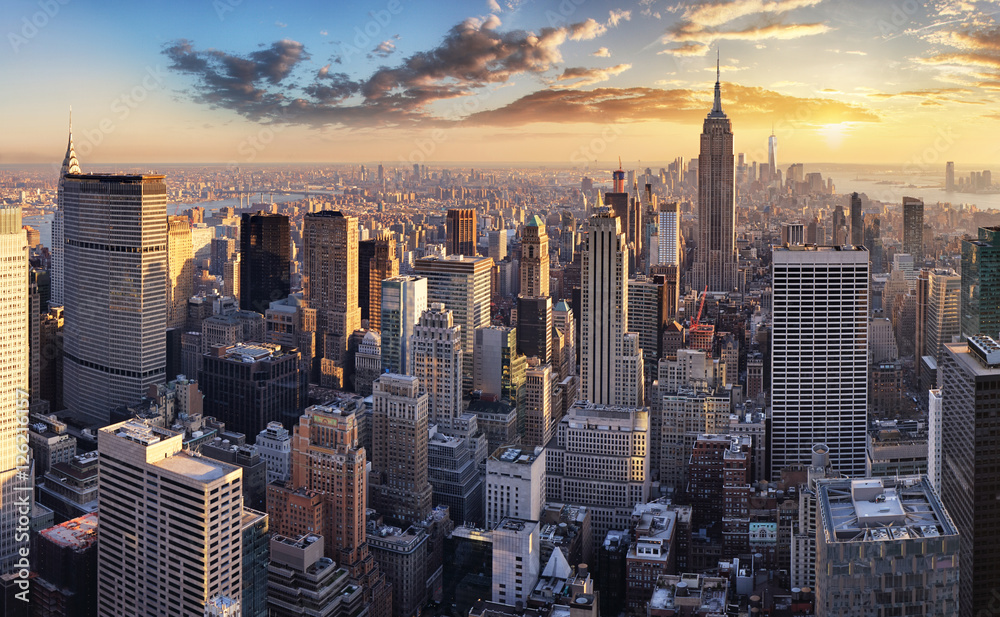
Restroom Fixture Retrofit & Demand Balancing — Skyscraper
The Empire State Building engaged WST to retrofit all restroom fixtures across 102 floors. High-efficiency aerators and sensor-activated faucets were installed building-wide. Demand balancing on cooling systems yielded an additional 12% reduction in utility costs.
Greywater Reuse System for Landscaping & Cooling
Salesforce Tower engaged WST to design and commission a greywater reuse system serving landscaping and cooling tower make-up water. The system processes 18,000 gallons per day, reducing potable water demand by 28%.
Cooling System Demand Balancing — Mixed-Use Tower
The Shard engaged WST to optimize cooling system demand balancing across its mixed-use floors comprising office, residential, and hospitality zones. Chilled water loop optimization reduced cooling water consumption by 18%.
Related Services
WST services most relevant
to Office Buildings.
irrigation water budget?
A WST Office Buildings assessment maps your current irrigation schedule against ET requirements, identifies the savings opportunity, and scopes the programme — delivered within 5 business days from billing records.