Water Management for
Condominium Associations & Residential Portfolios.
Condominium associations carry water costs in two categories that are both difficult to manage without systematic support: common area and amenity water (pools, irrigation, fitness, mechanical) and the administrative complexity of sub-meter billing across dozens or hundreds of residential units. WST audits both.
The Challenge
Condominium water costs are split across
systems the board rarely audits.
HOA boards manage condominium water costs through budget approval rather than systematic audit — which means billing errors and operational waste in common area systems persist for years without being identified.
Condominium pools are typically filled on a fixed timer or manual top-up schedule that doesn't account for actual evaporation rates, splash losses, or backwash volume. A pool manager adding 500 gallons per day on a fixed schedule in a low-evaporation week is wasting 200–300 gallons per day. Across a year, over-filling accounts for 20–35% of pool water consumption — a category that WST's monitoring and level-sensor installation addresses directly.
Condominium common area irrigation systems are typically programmed at installation and never revisited. As landscaping matures, original species selections age out, and local water restrictions change, the original schedule becomes increasingly inappropriate. Most associations have no monitoring on irrigation supply — making it impossible to identify malfunctioning zones, seasonal over-watering, or head failures that can waste millions of gallons annually.
In condominiums with individual unit sub-meters, common area water (amenities, mechanical rooms, irrigation, pool) is typically funded through HOA fees. But the HOA's common area water bill is rarely audited against the sub-meter totals — a gap that means billing errors in the master account are invisible to the board and chronic common-area overcharges are simply absorbed into annual assessments.
WST Approach
How WST approaches
condominium associations and residential portfolios.
Typical Outcomes
| Metric | Outcome |
|---|---|
| Pool water reduction (typical) | 20–35% |
| Irrigation reduction | 20–40% |
| Billing audit recovery | 8–12% of common area bill |
| Annual association saving | $15–40K |
| HOA board report | Included as standard |
| Payback period | 6–12 months |
Verified Results
Case studies from
Condominiums
Register free to access the full reports. Every outcome is verified — no projections.
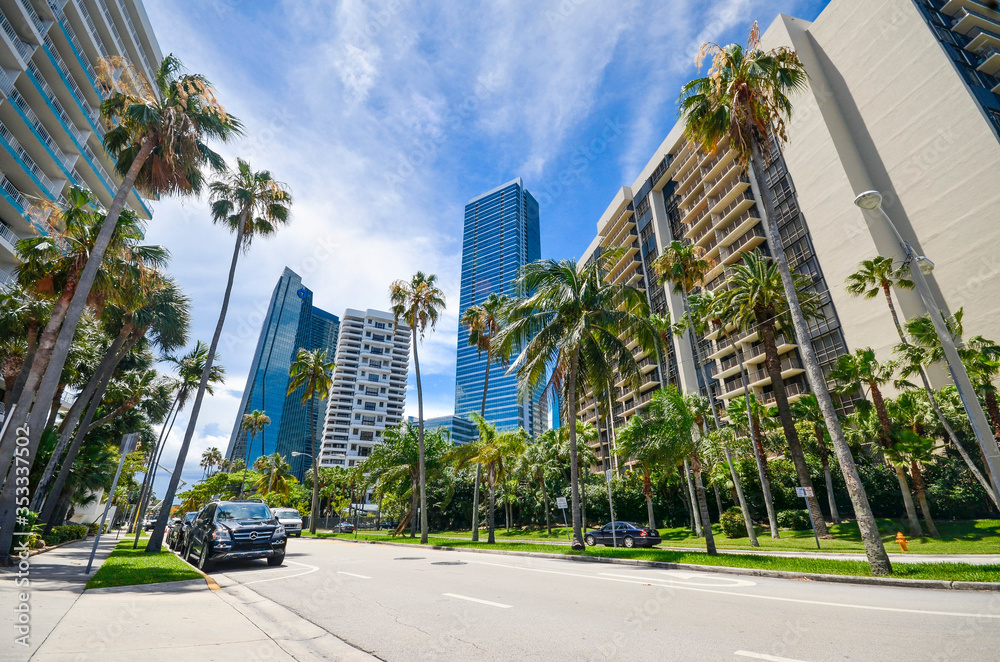
Individual Unit Sub-Metering & Utility Bill Allocation
Turnberry Ocean Club engaged WST to deploy individual unit sub-metering across all 154 luxury residences. Real-time consumption data enabled accurate utility bill allocation, eliminating billing disputes entirely. Three silent leaks identified within 30 days.
Pool, Spa & Water Feature Leak Detection Program
Porsche Design Tower engaged WST to deploy leak detection across pools, spas, and water features. IoT sensors identified three active leaks within the first two weeks, including a subsurface pipe fault beneath the pool deck undetected for over six months.
Common Area Water Balancing & Irrigation Optimisation
The Estates engaged WST to balance water distribution across common areas and deploy smart irrigation for landscaped grounds. ET-based irrigation scheduling reduced landscaping water use by 32%.
Related Services
WST services most relevant
to Condominiums.
irrigation water budget?
A WST Condominiums assessment maps your current irrigation schedule against ET requirements, identifies the savings opportunity, and scopes the programme — delivered within 5 business days from billing records.